
SEO Services
SEO vs Google Ads for Small Business Lead Generation
Jul
Choosing SEO vs Google Ads starts with how quickly the business needs leads, how much it can spend, and whether it wants immediate visibility or a longer lasting source of organic traffic. Paid search can begin producing visits after a campaign is approved, while SEO normally requires ongoing improvements before meaningful visibility develops.
Ft Lauderdale SEO businesses should define a qualified lead first. Calls, booked estimates, forms, store visits, and sales may require different keywords, pages, and tracking.
How SEO vs Google Ads Compare for Lead Generation
Both channels can target active searchers, but their payment and maintenance models differ. Ads generally charge for clicks, while SEO covers research, technical work, content, local optimization, and authority building.
| Decision factor | SEO | Google Ads | What to verify |
| Speed | Usually gradual | Can begin faster after setup | Approval tracking and landing page readiness |
| Traffic cost | No direct charge for each organic click | Advertiser pays for eligible clicks | Ad spend management fee and click quality |
| Longevity | Strong pages may keep attracting visits | Traffic normally stops when ads stop | Ongoing maintenance and budget |
| Control | Less control over exact ranking and timing | More control over bids keywords and schedules | Match types targeting and exclusions |
| Local visibility | Supports website and map presence | Can place ads above organic results | Service area location settings and policies |
The right SEO vs Google Ads choice depends on urgency, competition, sales value, conversion rate, and available staff. A business with an immediate seasonal offer may value ads, while a company building steady local visibility may place more weight on long term SEO.
Internal Service Options to Review
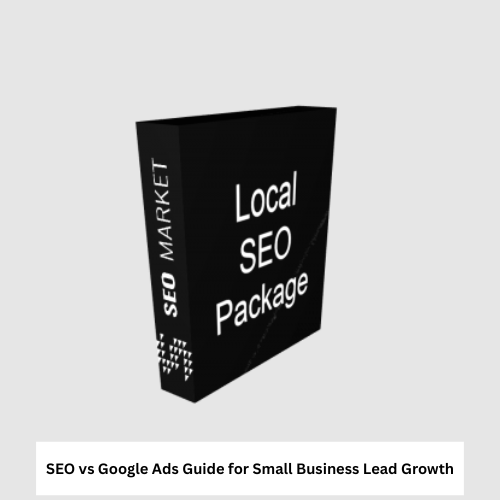
A local SEO package may support map visibility, local landing pages, citations, and location focused optimization. Confirm the exact deliverables, reporting schedule, service area, and contract period before purchasing.
A monthly SEO package can be considered by businesses that need ongoing content, technical monitoring, and ranking work rather than a one time setup. Verify which tasks are included each month and how priorities are approved.
The Google Maps citations service may support business information consistency across local listings. Check how name address phone and service area details will be handled, especially when the business has multiple locations.
A competition SEO plan may help when the company needs keyword and competitor analysis before deciding how aggressively to invest. Verify which competitors, locations, keywords, and reports are included.
Cost Budget and Lead Quality
Google Ads cost may include setup, landing pages, call tracking, management, creative changes, and reporting beyond media spend.
SEO vs PPC budgeting should account for customer value and the sales cycle. Cheap traffic is not useful when it comes from the wrong location or intent.
Do not accept guaranteed rankings, fixed lead volumes, or unsupported revenue promises. Ask how results measured and which factors remain outside the provider’s control.
Tracking Setup and Compatibility
Connect analytics, form tracking, call tracking, and customer management tools before launch. Test every conversion action on desktop and mobile.
Ads need accurate locations, match types, negative keywords, budgets, and conversion data. SEO needs crawlable pages, useful content, internal links, local information, and technical access.
Review privacy and consent requirements before installing tracking scripts or recording calls. Verify compatibility with the website platform, booking system, ecommerce checkout, and CRM.
Troubleshooting Weak Lead Performance
When ads receive clicks but few leads, inspect search terms, locations, page speed, offer clarity, form length, and tracking before raising spend.
When organic traffic grows without inquiries, compare ranking keywords with buyer intent and improve calls to action, service area wording, and service page paths.
Both channels require maintenance. Ads need bid, budget, keyword, and search term reviews. SEO needs technical checks, content updates, link monitoring, local profile maintenance, and conversion testing.
Small Business Marketing Checklist
Use this SEO vs Google Ads checklist before choosing a provider or package.
- Define the lead type and target service area
- Compare budget fit campaign duration and sales value
- Confirm website landing page and tracking compatibility
- Review keyword targeting exclusion and conversion methods
- Check account ownership data access and permissions
- Verify reporting frequency and lead quality measurements
- Review maintenance revision cancellation and refund terms
- Confirm creative landing page delivery and support
- Verify before buying when pricing or deliverables are unclear
Conclusion
SEO vs Google Ads is not always an either or decision. Ads can support immediate demand testing, while SEO can build broader local visibility and reduce dependence on paid clicks over time. Choose the mix that matches the lead goal, budget, website readiness, tracking accuracy, and ability to maintain each channel.
FAQ
Is SEO or Google Ads Better for a New Business
Ads may provide faster visibility, while SEO can begin building the website and local presence for longer term growth.
Does SEO Produce Free Leads
Organic clicks do not have a direct per click charge, but SEO still requires time, content, technical work, and ongoing maintenance.
How Much Should a Small Business Spend on Google Ads
It depends on competition, click cost, conversion rate, location, and customer value.
Can a Business Use SEO and Google Ads Together
Yes. Paid search can test keywords and offers while SEO develops organic visibility around proven topics.
How Long Should Results Be Measured
Use a period long enough to collect meaningful lead and sales data, while reviewing tracking and waste from the beginning.
